Direct data transfer instead of manual rework
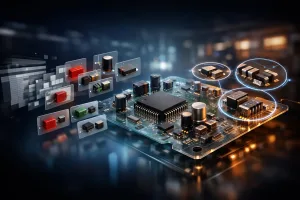
In PCB manufacturing, the quality of data handoff often determines efficiency, defect rates, and throughput. If you are connecting AOI, AXI, SPI, or pick-and-place systems, you need more than a simple export format. You need a production-ready workflow that keeps data consistent from design to machine.
PCB-Investigator supports a wide range of machine formats and direct interfaces. Depending on the manufacturer, data can be exported in a specific machine format or transferred directly to the machine without generating intermediate files. This enables fast data exchange and, where supported, immediate bidirectional feedback.
More control over production-critical details
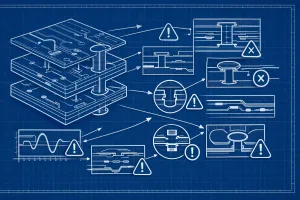
For manufacturing, it is not enough that data reaches the machine. It must arrive in the right structure, with the right parameters. PCB-Investigator offers machine-specific configuration options for output parameters, panel definitions, filters such as SMT or THT, fiducials, library assignments, and special markers.
Supported formats and interfaces include Parmi, Viscom, Siplace, Essemtec, Goepel, Koh Young, MEK, AI, Modus, Mycronic, NDF, QD, TRI, and Yamaha. For Viscom, for example, exports are available for vVision and other format-specific structures, including extensive options for laser, camera, and mapping configurations.
The goal is not just compatibility. It is a stable data flow between design and production.
Benefits for engineering and manufacturing
- Less manual rework during data preparation
- More consistency between layout, libraries, and machine setup
- Better readiness for different production systems
- Direct communication with supported machines and feedback from the system
That flexibility matters especially in complex production environments. PCB-Investigator helps prepare PCB data efficiently for different systems, regardless of which machines are actually used in your process.
If you are looking to optimize your production data flow, it is worth exploring the supported machine formats and interfaces.