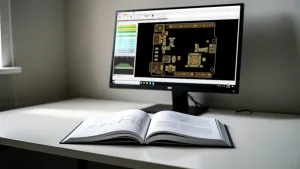
When 2D PCB data is no longer enough
PCB layouts often start and end as 2D data, but product development rarely stays in one dimension. Once enclosure design, mechanical integration, or cross-team approval comes into play, flat layout data can become a bottleneck. That is where the 3D export capabilities in PCB-Investigator add real engineering value.
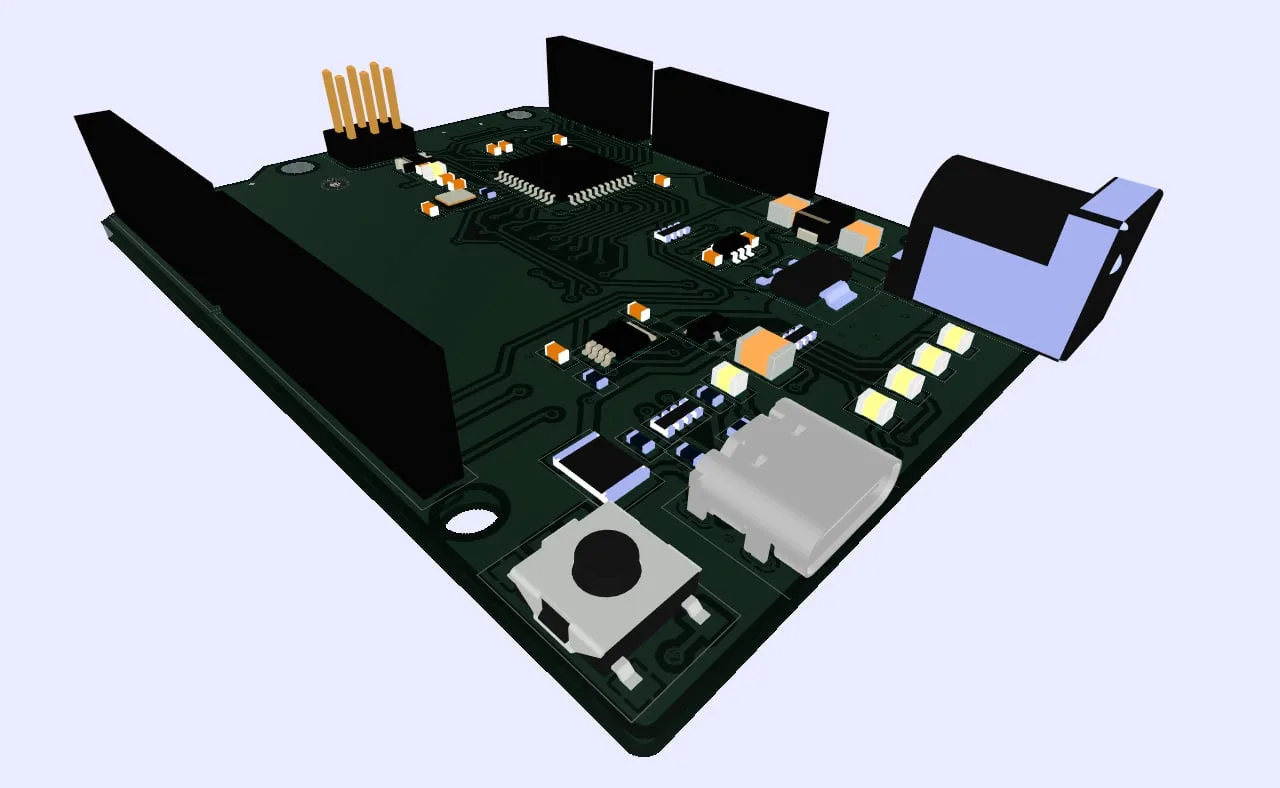
With the 3D export plugin, PCB-Investigator supports multiple output formats, including STEP, OBJ, 3D-PDF, and WebGL. This turns layout data into a shareable 3D model that can move more easily between ECAD, MCAD, manufacturing, and review teams.
Why 3D export matters in day-to-day engineering
The interface between electronics and mechanics is one of the most important coordination points in modern product development. Boards need to fit into housings, mechanical constraints must be validated early, and CAD teams need data they can work with directly. A 3D model helps eliminate ambiguity and improves the quality of technical decisions.
STEP is particularly valuable because it is widely supported by common CAD tools such as Catia, SolidWorks, and Creo. That makes it a practical bridge between 2D PCB data and the 3D environments used by mechanical engineers. Instead of manually translating board information, teams can work with an exchange format designed for interoperability.
Multiple formats for different downstream needs
PCB-Investigator offers several export options so teams can choose the most suitable format for the task at hand. STEP is ideal for CAD exchange and fit verification. OBJ is useful for visualization. 3D-PDF makes sharing easier, and WebGL supports browser-based viewing without additional software.
For workflows that require more than a visual model, PCB-Investigator can also create a directly editable solid using NBI. That means converted 3D data can be processed further instead of remaining a static reference model.
Better 3D data exchange means fewer misunderstandings, faster approvals, and less rework later in the process.
Key benefits
- Improved ECAD/MCAD collaboration
- Faster enclosure and fit checks
- Broad compatibility with common CAD systems
- Flexible output formats for different use cases
- More efficient cross-functional communication
Conclusion
If your team regularly needs to move PCB data into mechanical workflows, 3D export is more than a convenience feature. It is a practical way to improve communication, reduce iteration cycles, and make design data more useful across disciplines.
Explore the feature and see how it fits into your process: https://www.pcb-investigator.com/en/features/import-export/3d-export-step-obj-3d-pdf-webgl/