
Hazard Analysis for Safer PCB Design Reviews
Catch clearance risks before they become failuresIn PCB design, electrical performance is only part of the job. Safety and compliance depend on clearances that are easy to miss when a…



Catch clearance risks before they become failuresIn PCB design, electrical performance is only part of the job. Safety and compliance depend on clearances that are easy to miss when a…

Prepare test programs with less manual effortCreating test programs is often one of the most time-consuming steps in design-for-testability workflows. The DFT Preparation Plugin in PCB-Investigator helps engineers plan test…

Why connection analysis matters in PCB engineeringIn complex PCB layouts, many issues are not caused by the circuit itself, but by the details of how components are connected. That is…

Why distance measurement matters in PCB analysisIn PCB design, a fraction of a millimeter can decide whether a board is manufacturable, mechanically safe, or electrically reliable. That is exactly where…
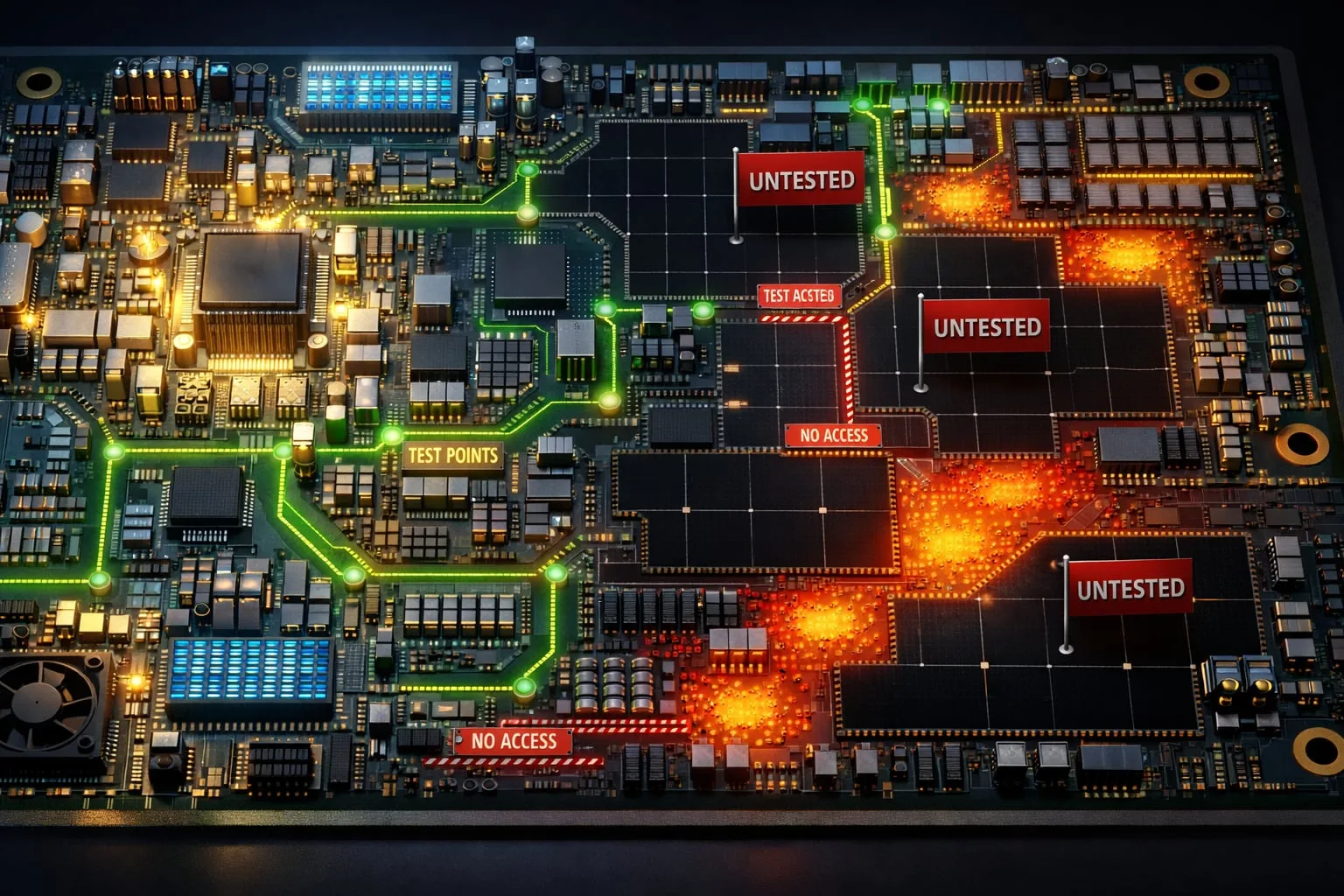
Maximum test coverage at a glanceHow confident are you that your assembly is truly tested? The Test Coverage Report in PCB-Investigator turns test data into an immediate visual overview, showing…
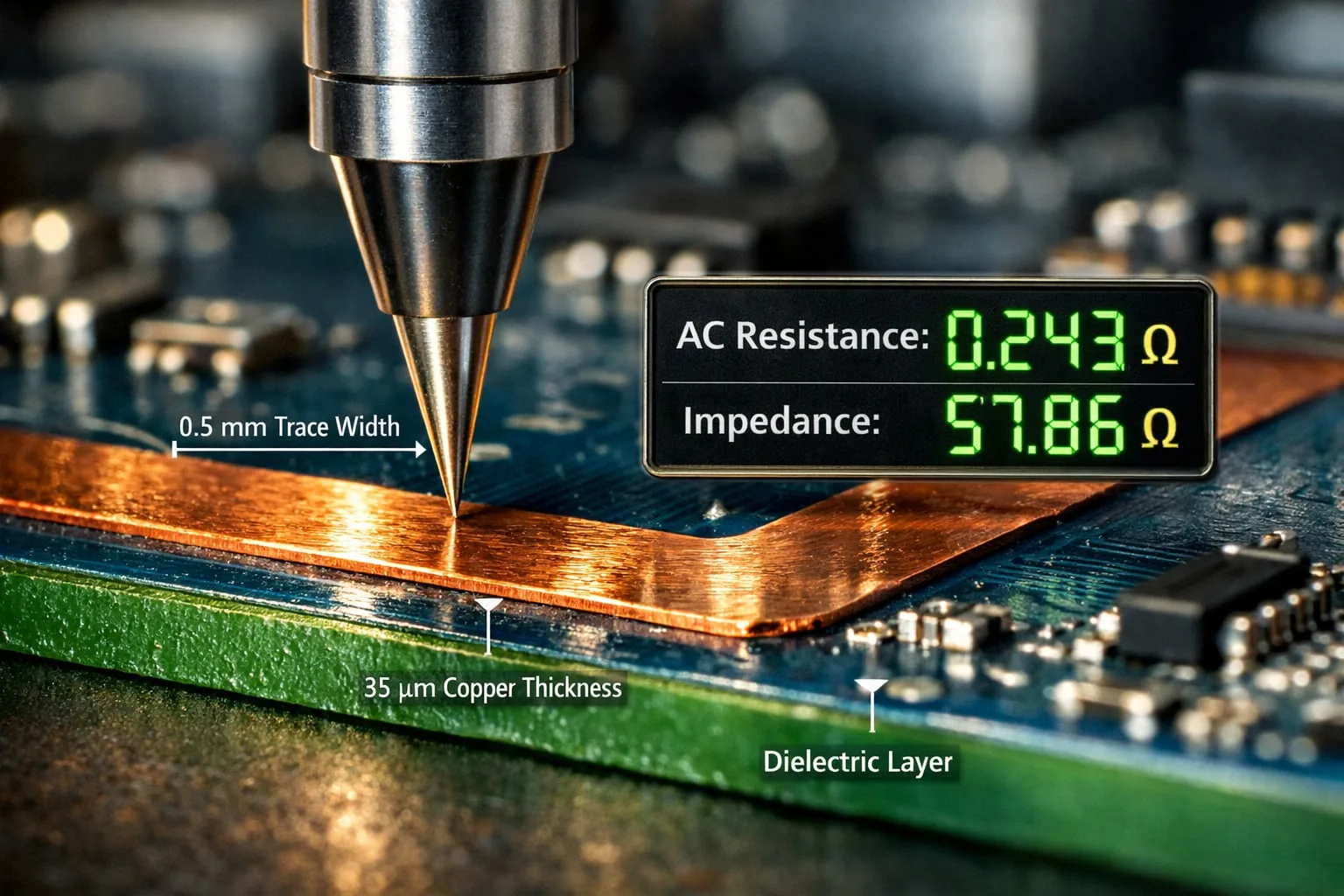
Why impedance is a first-class design parameterAs signal speeds increase and transmission frequencies climb, PCB design becomes less forgiving. For high-speed traces, impedance is no longer something you check at…

Component selection is no longer only a design taskFor PCB teams, the real challenge is not just choosing the right part technically. It is making sure that the part is…

When the layout is nearly done, the real data prep startsIn PCB work, a design is often not truly finished when routing is complete. Before analysis, release, or fabrication, teams…

Turn scattered PCB data into a clear design reportIn many PCB projects, the critical information is already there — it is just spread across CAD data, analysis results, and repeated…
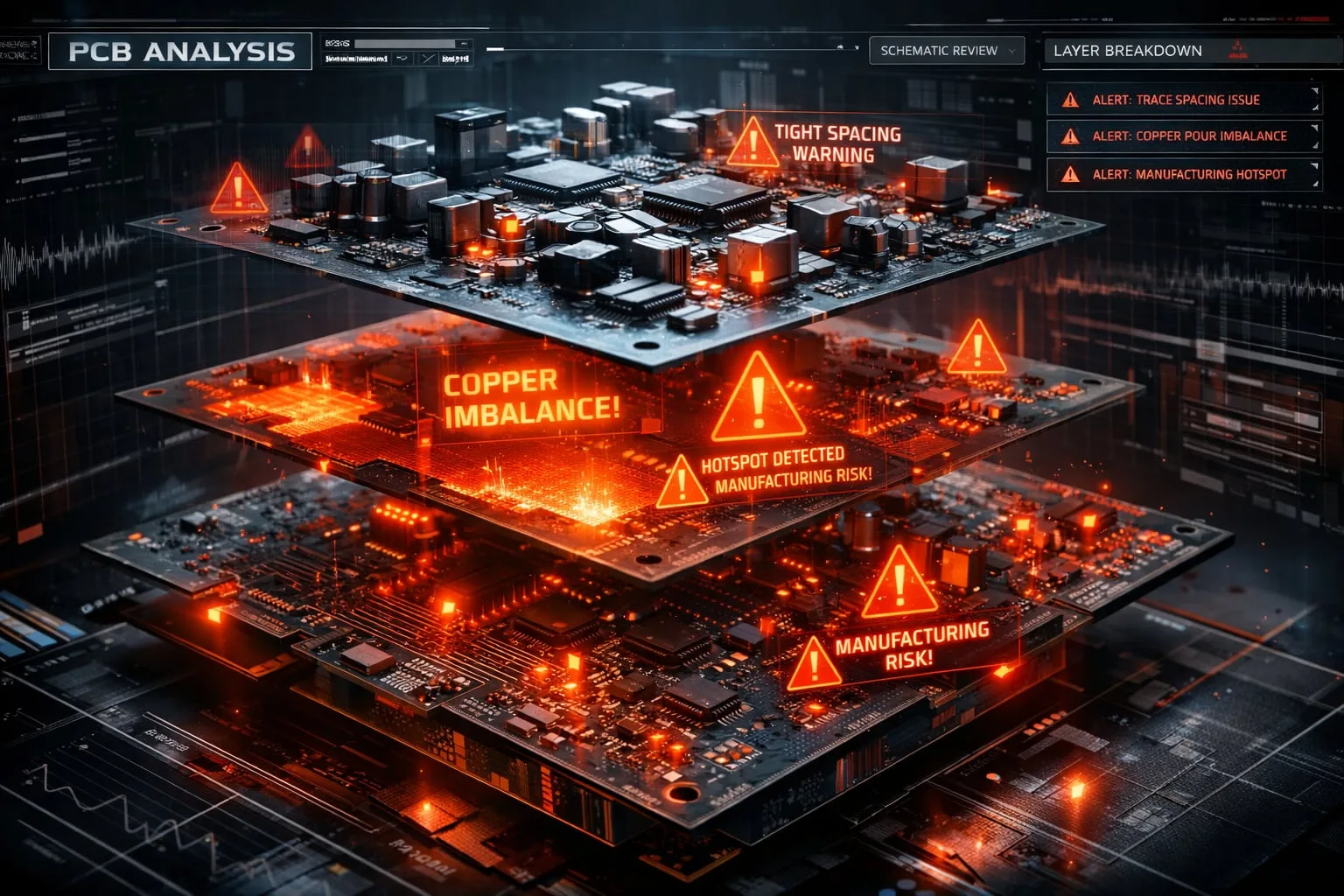
The best PCB tools do not just answer questionsThey help engineers ask the right ones. That is the real difference between a simple viewer and a true analysis platform in…